Winterizing a garden pond is less about making the water warm than about reducing decay, protecting equipment and maintaining safe conditions for any animals that remain. The correct plan depends on climate, pond volume, construction, fish, plants and the manufacturer’s limits for every pump, filter and fitting.
Begin before the first hard freeze. Cold water and short days slow biological activity, while ice can trap gases and damage plumbing. A short autumn checklist is far safer than improvising after the pond is frozen.
Start with the Pond’s Real Winter Conditions
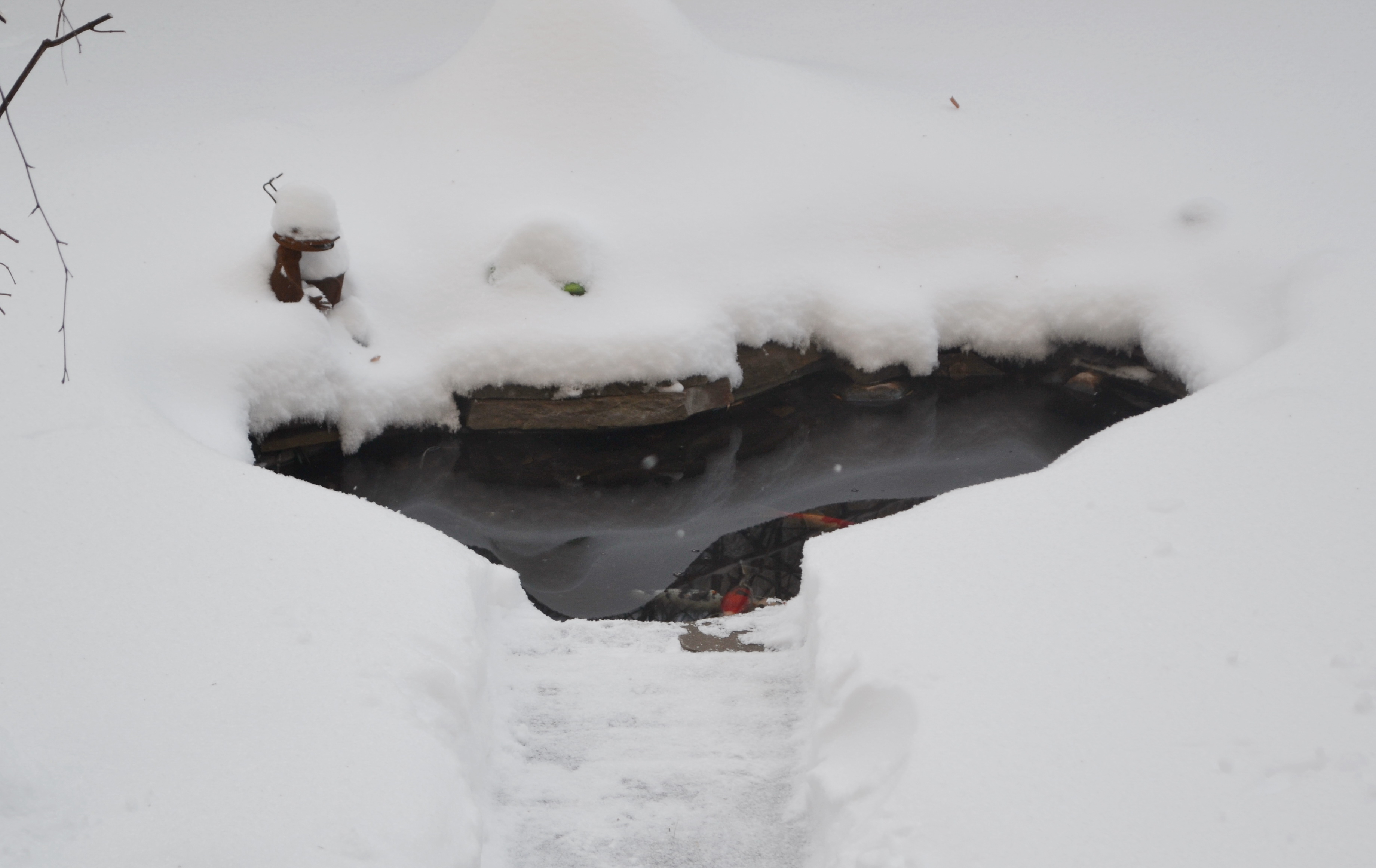
Do not rely on one universal minimum depth. Whether a pond freezes solid depends on regional temperatures, duration of cold, exposure, volume and construction. Fish survival also depends on species, stocking level, oxygen and water quality. Ask a local aquatic specialist or extension service what overwintering is realistic in your area.
Check the manuals for the pond shell, pump, filter, UV clarifier, valves and lights. Some pumps are designed to remain submerged through freezing temperatures; others must be removed before frost. Pipes or filter housings that trap water can split as it freezes even when the pond itself is unharmed.
Remove Leaves Before They Decompose
Skim floating leaves regularly and remove settled debris gently before cold weather. Organic material consumes oxygen as it breaks down and can contribute to poor water quality under ice. Avoid aggressively disturbing an established pond all at once, especially if fish are already slowing down.
A leaf net is useful during peak leaf fall if it is secured above the water, kept clear and removed before snow, ice or wildlife make it hazardous. Trim dead marginal foliage that would collapse into the pond, but retain suitable stems around wildlife ponds when they provide habitat and do not threaten water quality.
Prepare Hardy and Tropical Pond Plants
Identify each plant rather than treating every aquatic plant alike. Remove tender tropical floaters before frost and overwinter valuable specimens indoors only if their specific requirements can be met. Hardy waterlilies and other perennials are commonly trimmed and lowered to an appropriate unfrozen zone, but the correct depth varies by plant and pond.
Stop fertilizing as growth slows. Remove yellowing leaves and flowers so they do not decay in the water. Keep invasive aquatic plants out of natural waterways and dispose of removed material according to local guidance.
Adjust Fish Care as the Water Cools
Fish metabolism slows with water temperature. Follow species-specific advice and stop feeding when the diet manufacturer or aquatic veterinarian recommends; uneaten food can quickly degrade water quality. Do not use the air temperature as a substitute for an actual water-temperature reading.
A small, shallow pond may not provide stable winter habitat. Moving fish indoors requires a properly cycled container with adequate volume, filtration, oxygen and temperature—not a last-minute bucket. If fish will remain outdoors, confirm that the pond can support the species and stocking level through the coldest expected conditions.
Protect Pumps, Filters and Plumbing
Disconnect power before handling equipment. Clean components according to their manuals, drain pipes and filter housings that could retain freezing water, and store non-frost-proof equipment in the specified conditions. Some pump seals should remain wet in frost-free storage; other devices must be stored dry. The manufacturer, not a general rule, decides.
A waterfall can supercool a small pond, increase evaporation and form dangerous ice outside the basin. In cold regions it is often shut down and drained, while a separate winter aeration or de-icing system is used. If a circulation pump remains running, position and operate it according to fish-care and equipment guidance rather than drawing the relatively warmer deepest water to the surface.
Keep Gas Exchange Without Breaking the Ice
If fish remain under continuous ice, maintain a small opening for gas exchange with a pond-rated de-icer or an appropriately positioned aerator. A de-icer is not intended to heat the entire pond. Use equipment listed for outdoor pond service and sized for the climate.
Never smash thick ice over fish: the shock and pressure can harm them. Do not pour boiling water onto a rigid shell or use an indoor aquarium heater outdoors. An improvised mains-powered heater in a garden pond creates serious electrical and fire risks.
Electrical Safety Comes First
Every winter device must be suitable for outdoor water use and connected exactly as its instructions require. Ground-fault protection is essential. Keep plugs and connections out of standing water, protect cables from ice and mechanical damage, and have a qualified electrician install or correct permanent outdoor wiring.
Inspect cords, housings and strain relief before the season. Do not lift a pump or heater by its cord. Disconnect power before reaching into the pond, even when the surface appears frozen.
What About a Small Preformed Pond?
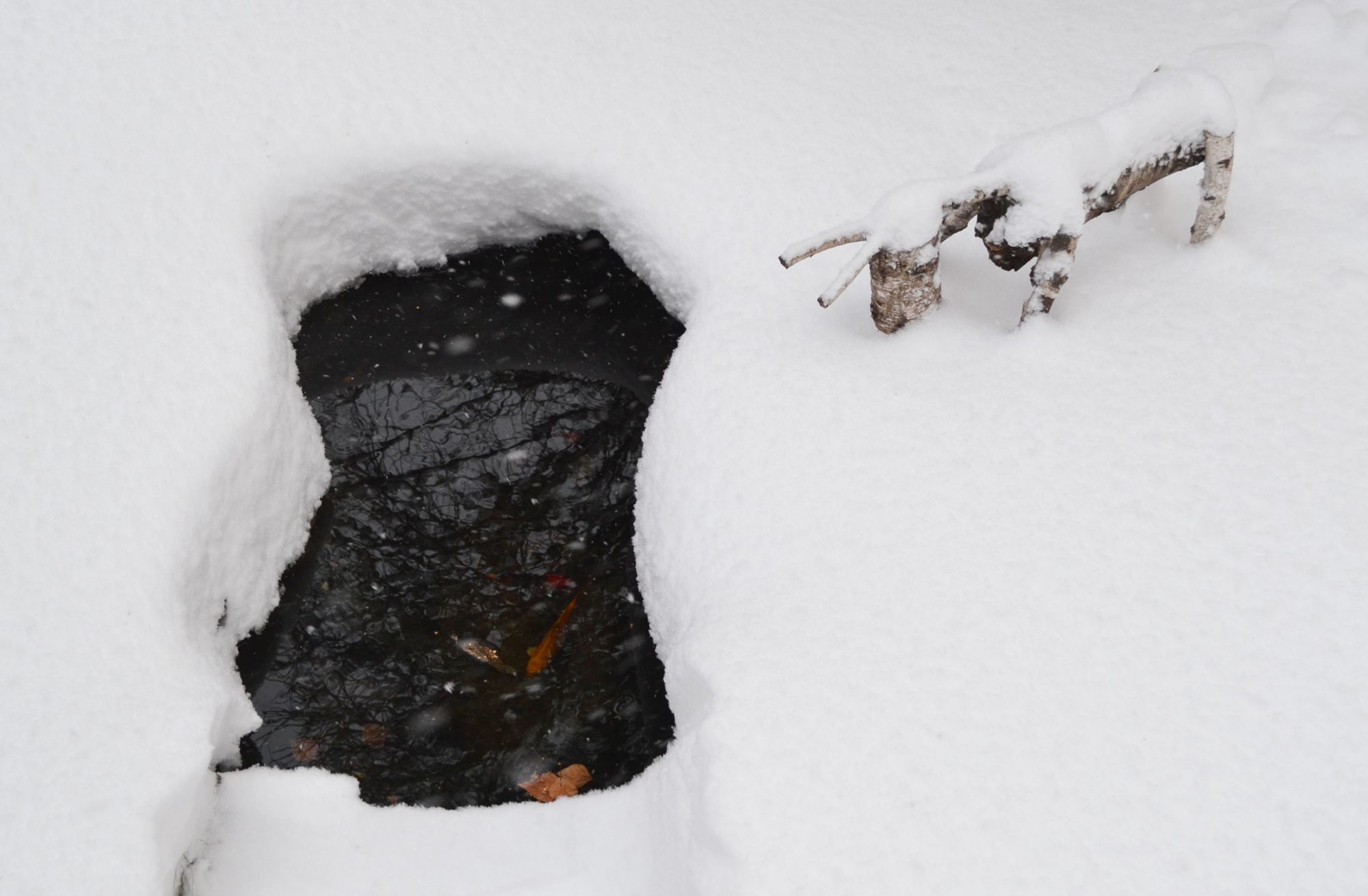
Whether to leave water in a rigid shell is a product-specific decision. Some basins are designed to remain filled; others require a particular winter procedure. Emptying an unsupported shell can also allow groundwater or frost movement to shift it. Follow the shell manufacturer’s instructions rather than depending on bottles, logs or balls as universal protection against ice pressure.
If the pond cannot safely overwinter fish, move them well before freezing conditions and prepare their indoor system in advance. Remove or lower plants as appropriate, service the equipment and manage the basin in the way its warranty specifies.
A Practical Autumn Checklist
- Confirm the winter limits for the shell and every piece of equipment.
- Remove leaves and excess organic debris before ice forms.
- Identify hardy and tender plants and treat each correctly.
- Monitor water temperature and follow species-specific fish-feeding guidance.
- Drain vulnerable plumbing and store non-frost-proof equipment correctly.
- Install and test any pond-rated aerator or de-icer before the first hard freeze.
- Inspect ground-fault protection, cords and outdoor connections.
- Continue checking the pond after storms, snow and power outages.
Winter preparation begins with good construction. A properly supported preformed pond, accessible equipment and correctly detailed plumbing are much easier to protect. In spring, restart circulation gradually, inspect for frost movement or leaks and remove debris before warm weather accelerates algae growth.