Mowing is not only cosmetic. Every cut changes the amount of leaf available for photosynthesis, the depth of the roots and the lawn’s ability to compete with weeds. The healthiest routine uses an appropriate height, a sharp blade and timing based on growth rather than the calendar.
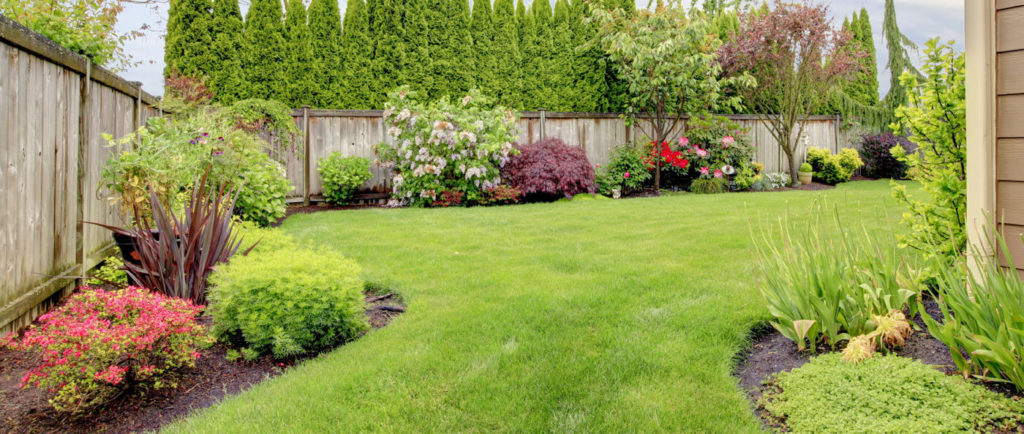
Know the target height
There is no universal mowing height. Fine fescues, tall fescue, Kentucky bluegrass, bermudagrass and St. Augustinegrass all have different useful ranges. Cultivar, season, shade and mower type also matter. Check regional extension guidance or the sod supplier’s recommendation for your grass.
As a general principle, keep turf toward the upper end of its recommended range during heat, drought or shade. More leaf area supports deeper roots and shades the soil. Low mowing can expose crowns, encourage weeds and scalp uneven ground.
Follow the one-third rule
Remove no more than one-third of the blade length in one mowing. If the lawn gets too tall, lower it gradually across two or more cuts. Taking half the leaf at once shocks the plant and leaves heavy clippings.
Growth determines frequency. Spring may require frequent mowing, while heat, drought or dormancy slows the schedule. A lawn that needs cutting every five days in May may need little or none in August.
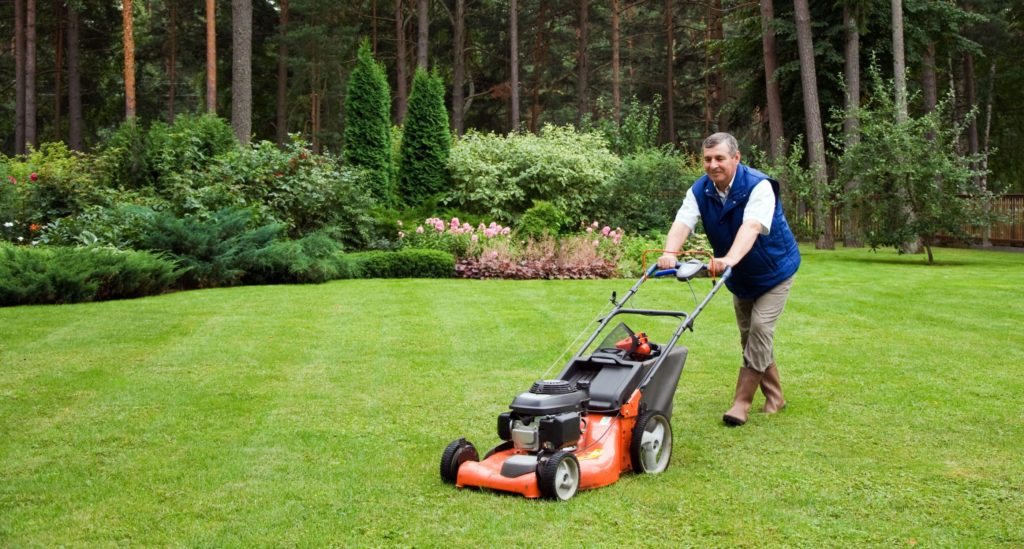
Mow when the grass is dry
Dry blades cut cleanly and move through the deck without clumping. Wet turf can be slippery, and heavy equipment may rut saturated soil. Avoid mowing during the hottest part of a very warm day or when the lawn is drought-stressed.
Walk the area first. Remove toys, stones, branches and wire, and keep children and pets well away. Never defeat guards or safety switches, and follow the equipment manual for slopes and eye and hearing protection.
Keep the blade sharp
A dull blade tears the tips, leaving a pale or brown cast and increasing water loss. Inspect the cut after mowing: shredded ends mean the blade needs sharpening or replacement. Disconnect the power source exactly as the manual directs before working near a blade.
Alternate mowing direction to reduce wheel tracks and prevent grass from leaning consistently. Overlap passes slightly and slow down in thick growth rather than lowering the deck.
Choose the right mower
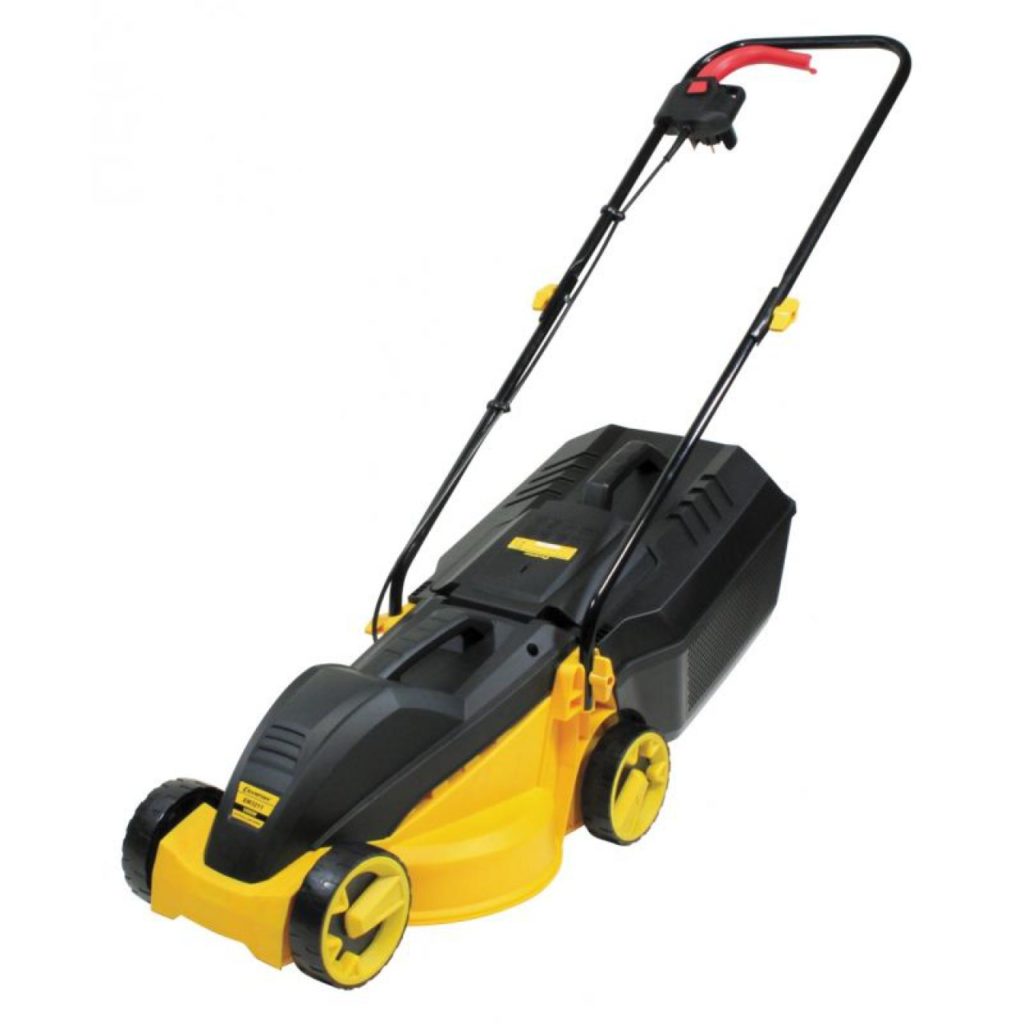
Corded electric mowers are light, quiet and practical for small lawns with accessible outlets, but the cable requires careful routing. Battery mowers offer quiet, cordless operation; compare deck width, battery capacity and compatibility with other tools.

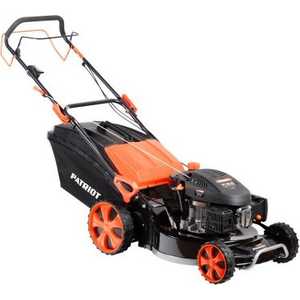
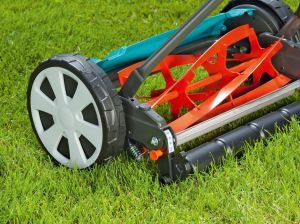
Gas mowers provide long runtime and power for larger areas but require fuel, oil, maintenance and safe storage. Reel mowers are quiet and simple and can give a clean cut on small, smooth lawns if used frequently.
Mulch, collect or discharge clippings?
Short, dry clippings can usually remain on the lawn. They decompose quickly and return nutrients; they do not normally cause thatch. Use a mulching setting only when the mower can chop and distribute the material evenly.
Collect clippings when they form piles, when weeds are setting seed or when disease management calls for removal. Compost healthy clippings or use them as a thin mulch after confirming they were not recently treated with a product that restricts such use.

When a string trimmer is useful
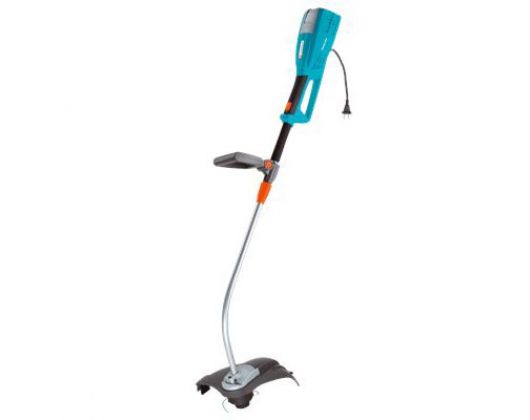
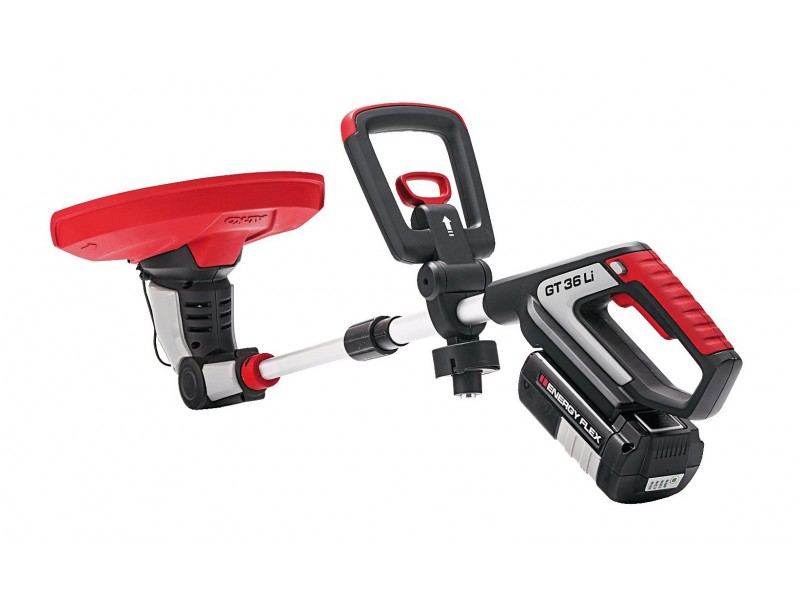
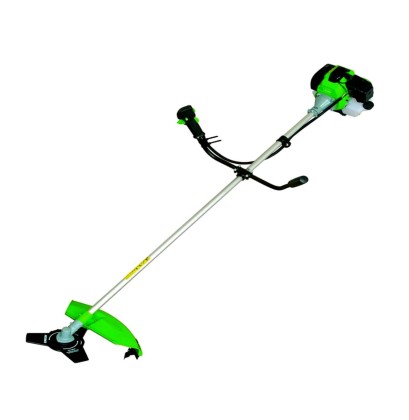
A string trimmer handles edges, fence lines, slopes and spaces a mower cannot reach. It is not the best primary tool for a smooth lawn because maintaining an even height is difficult. Hold the cutting head level and protect tree bark, irrigation parts and edging.
Corded models are light and economical, battery models are convenient for routine residential work, and gas models suit longer or heavier cutting. Match line size or blades to the manufacturer’s instructions; never install improvised cutting material.
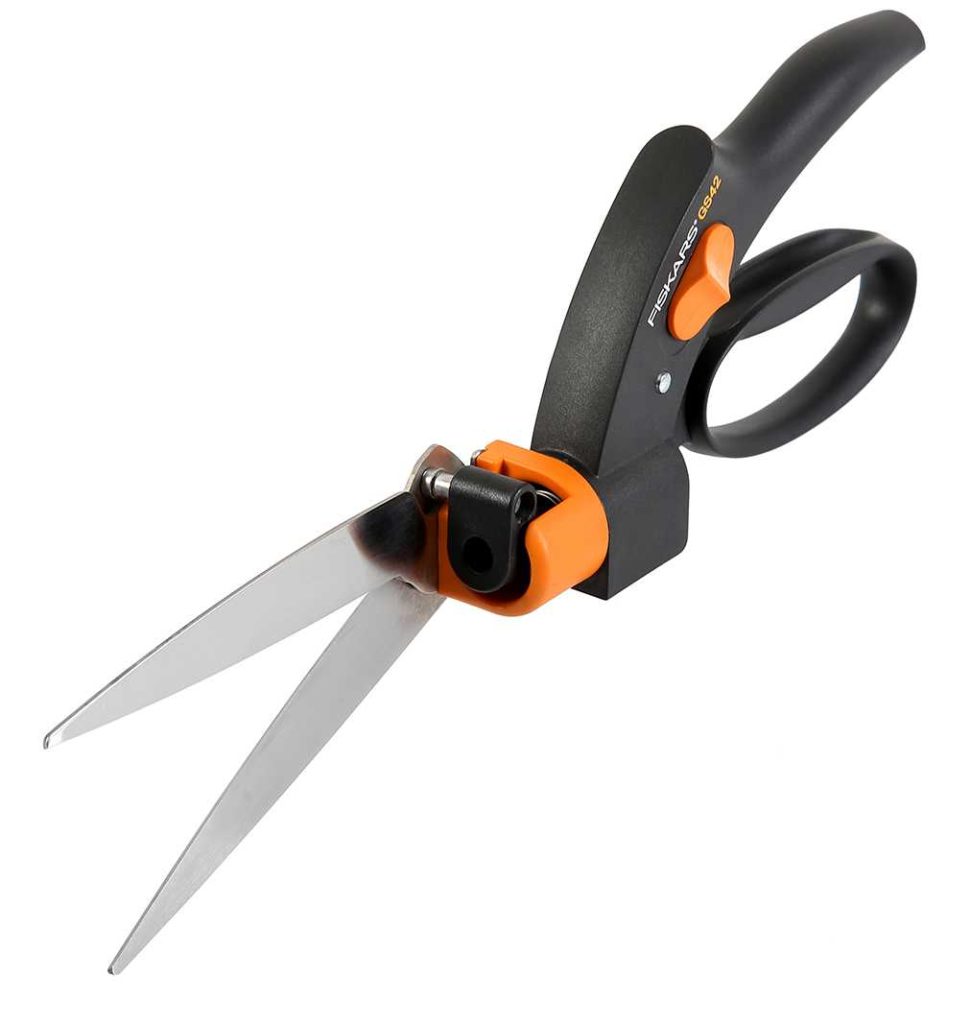
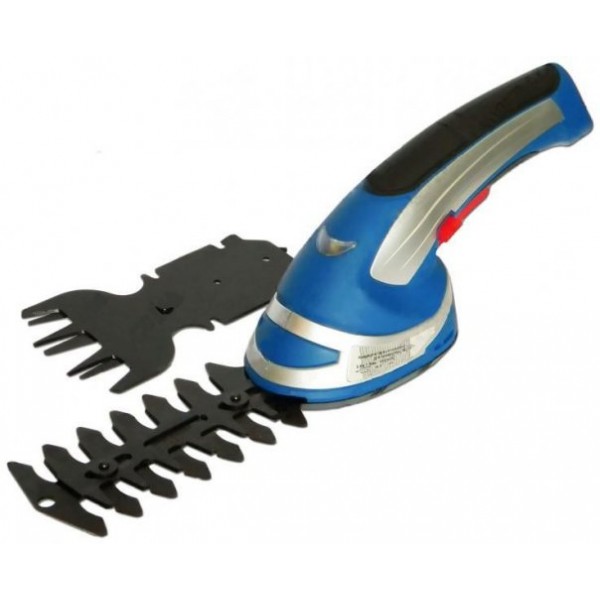
Finish edges with grass shears
Hand shears provide precise cuts around beds, stepping stones and delicate plants. Long-handled or rotating-head designs reduce awkward bending. Battery shears speed up longer edges but still require careful control near fingers, cables and irrigation lines.
First mowing of a new lawn
Wait until seeded grass is tall enough for the one-third rule and the soil is firm enough that wheels will not pull seedlings out. For sod, wait until roots anchor the pieces and the surface can support a light mower. Our guide to laying and establishing sod explains the rooting check.
Use a sharp blade, mow dry turf and avoid tight turns. Do not apply a fixed date: rooting and growth vary with grass, soil and weather.
Adjust through the season
Raise the height during stress, continue mowing fallen leaves before they smother turf and make the final cut at a normal recommended height rather than scalping the lawn. Stop when growth stops.
The grass itself sets the schedule. Pair appropriate mowing with a species suited to the site—see how to choose grass seed—and even a modest lawn can stay dense without excessive work. A flowering meadow lawn, by contrast, follows a completely different cutting cycle.