A good lawn begins with grass that matches the site. The best seed is not necessarily the most expensive bag or the variety with the brightest photograph. It is the mixture whose species can handle your climate, sunlight, soil, irrigation and the way the lawn will be used.

Start with climate, not appearance
Grass species fall into two broad groups. Cool-season grasses grow most actively in spring and fall and are common across northern regions and transition zones. Warm-season grasses thrive during hot weather and dominate in the South. Local climate, winter lows and summer heat determine which group is realistic.
University extension recommendations and reputable local seed suppliers are useful because they account for regional diseases, drought and winter injury. In a transition zone, both groups may be possible, but each has tradeoffs. Cool-season turf may struggle in summer, while warm-season turf turns dormant and tan during cold weather.
Define how the lawn will be used
A decorative front lawn, a children’s play area and a lightly managed utility lawn need different seed. Write down the main job before comparing labels:
- High traffic: choose species known for wear tolerance and recovery.
- Fine appearance: prioritize leaf texture, density and uniform color.
- Low maintenance: look for slower growth and moderate fertility needs.
- Shade: use shade-tolerant species and reduce expectations where tree roots compete for water.

Match seed to sun and soil
Most turf grasses perform best in open sun. A bag labeled “shade” still needs several hours of useful light, and dense shade beneath trees may never support a conventional lawn. Pruning for light, improving irrigation coverage or replacing turf with a shade-tolerant groundcover may be more successful.
Check drainage as well. Constantly wet soil favors disease and weak roots; very sandy soil dries quickly. A soil test can identify pH and nutrient problems before seeding. Amend the soil according to the test rather than adding lime, peat or fertilizer automatically.
Choose a lawn style
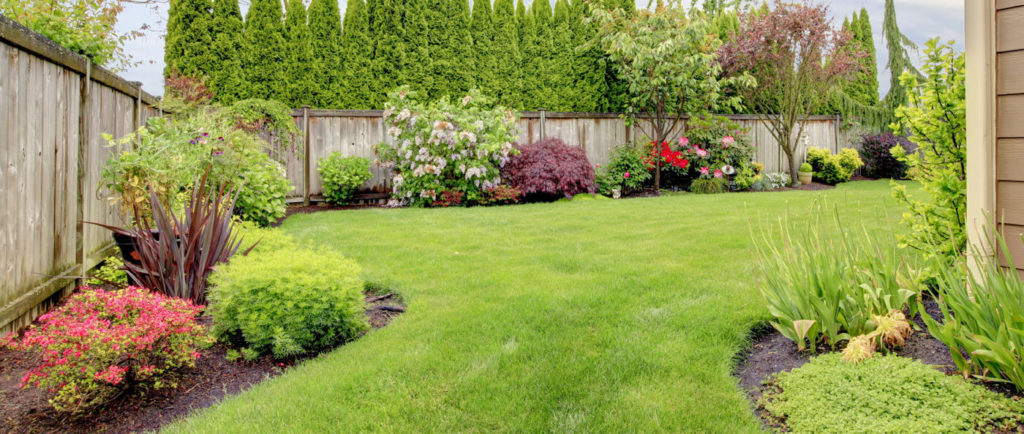
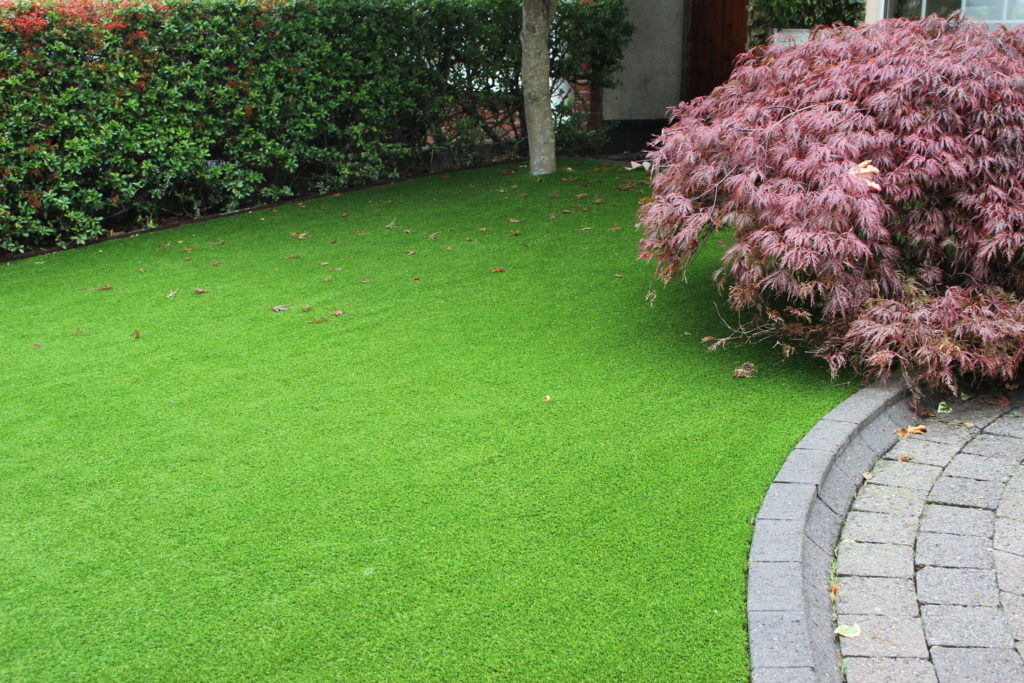
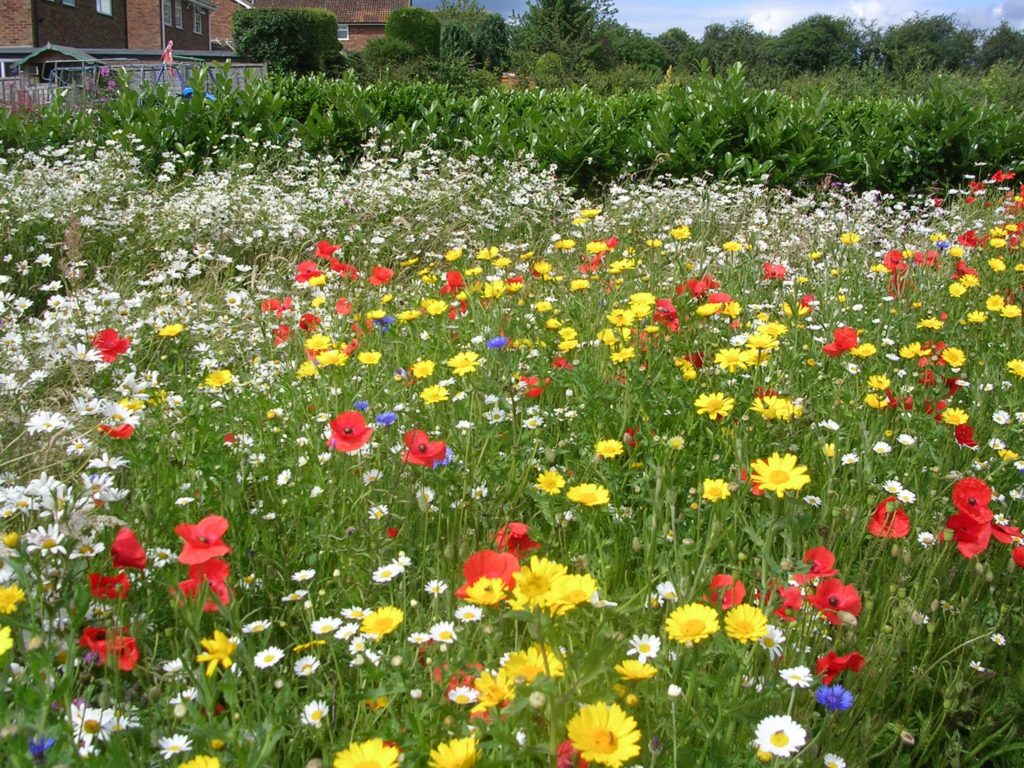
A general-purpose lawn should balance appearance, durability and maintenance. A formal lawn can be finer and more uniform but often requires more attentive mowing, feeding and watering. A sports-type lawn favors wear tolerance. A flowering meadow lawn is a different planting altogether: it combines grasses and flowers and is managed with infrequent mowing.
Understand mixtures and blends
A blend contains two or more cultivars of the same species. A mixture contains different species. Blends add genetic diversity while keeping a fairly uniform appearance. Mixtures hedge against variable conditions: one species may perform better in sun, another in partial shade.
No mixture can overcome a fundamentally unsuitable site. Be skeptical of one bag advertised for every climate and light level. Also avoid mixes padded with unnamed seed or species that disappear after the first season.
Common cool-season grasses
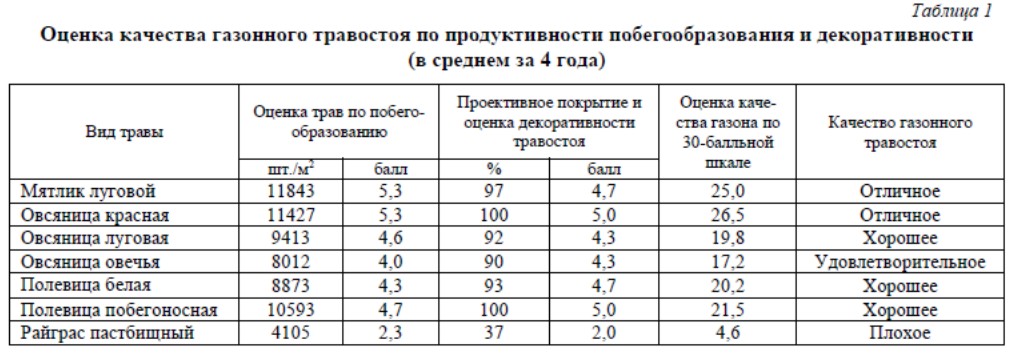
Kentucky bluegrass forms a dense, attractive sod and can repair small damaged areas through underground stems. It prefers sun and adequate moisture and establishes more slowly than ryegrass.
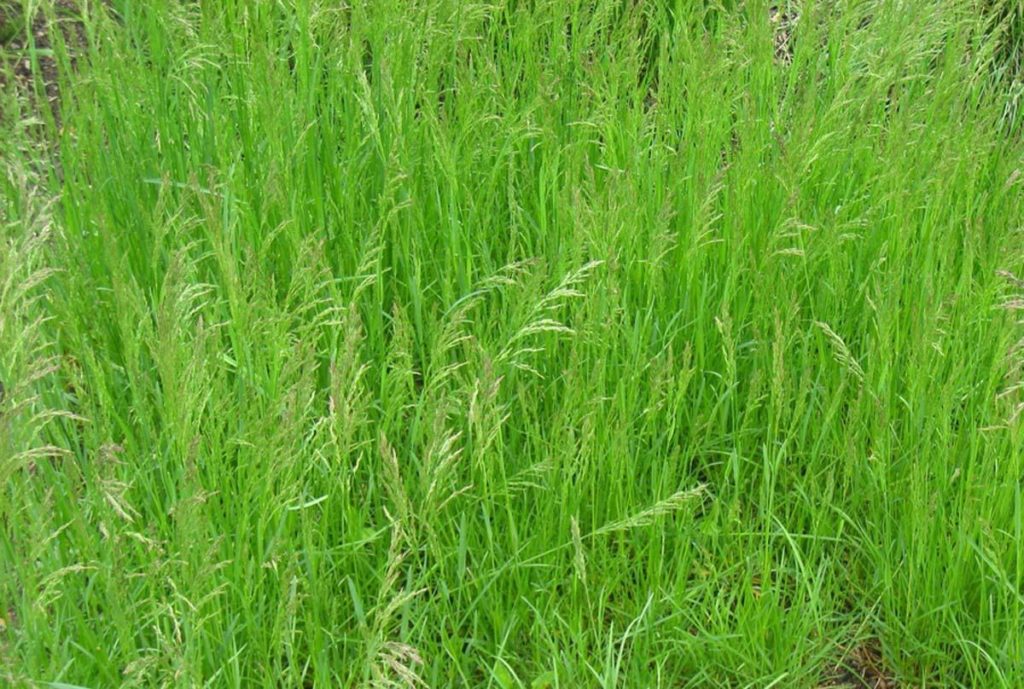
Perennial ryegrass germinates quickly and tolerates traffic, making it useful in mixtures and for overseeding. Its bunch growth means bare areas do not fill as readily as they do in bluegrass.
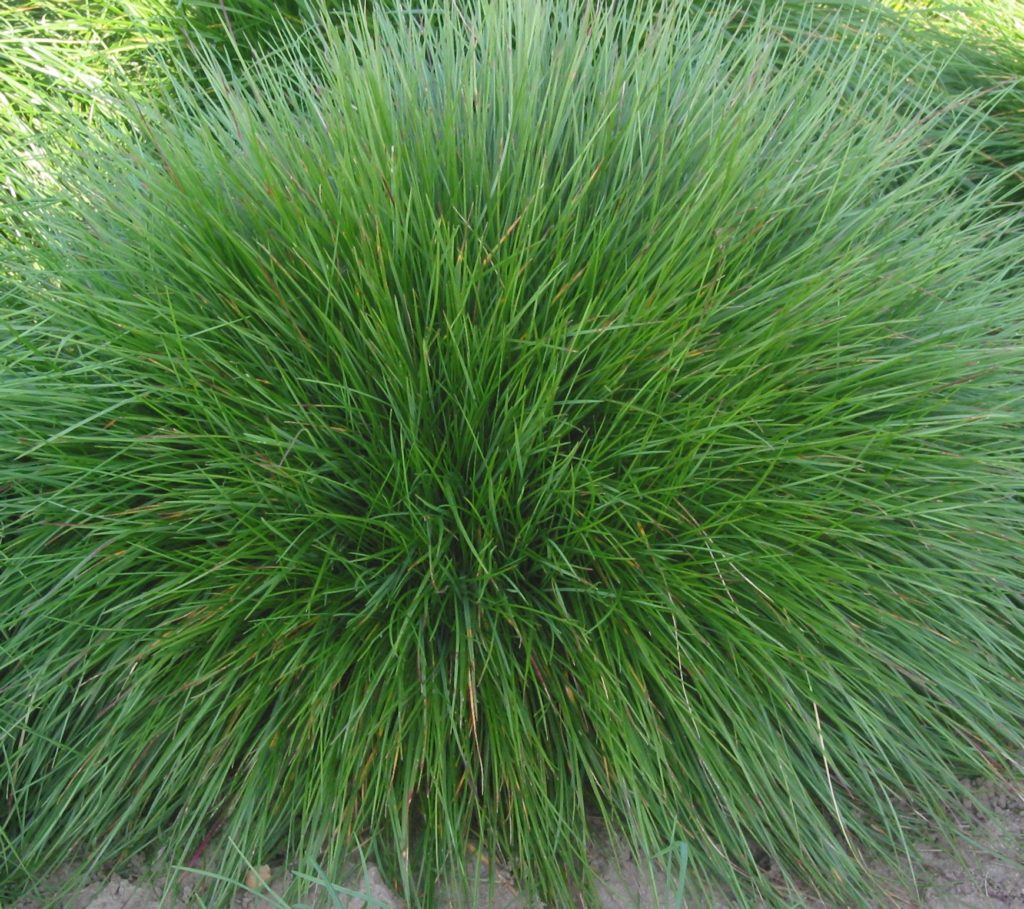
Fine fescues have narrow leaves and are often the best cool-season option for dry shade and lower-input sites. Tall fescue has deeper roots, broader leaves and good heat tolerance, especially in modern turf-type cultivars.
Warm-season choices
Bermudagrass handles heat, sun and traffic but spreads aggressively and needs regular mowing. Zoysiagrass forms dense turf and has moderate cold tolerance, though establishment can be slow. Centipedegrass is lower-maintenance on suitable acidic soils but dislikes heavy traffic and excessive fertilizer. St. Augustinegrass has broad blades and useful shade tolerance in warm climates; it is normally installed as sod or plugs because seed is rarely practical.
Warm-season species are often sold as sod. If speed is the priority, compare sod and seed for a new lawn before buying.
What to read on the seed label
Look beyond the product name. The label should list each species and cultivar by percentage, germination rate, test date, inert matter, weed seed and noxious weeds. Prefer current seed with high germination, named cultivars and little or no weed seed. The cheapest bag may require more seed and more repair later.
Calculate the area accurately and follow the bag’s seeding rate. Applying too much seed creates crowded, weak seedlings; too little leaves open soil for weeds. Buy a small reserve from the same lot for thin spots.

Buy for the site you actually have
Choose grass seed after observing the property through a normal day and season. Note hours of sun, wet and dry areas, traffic routes and available maintenance time. A resilient, slightly less formal lawn will usually look better than a demanding premium variety under unsuitable conditions.
Once the lawn is established, correct cutting becomes as important as seed choice. Our guide to mowing height, frequency and equipment explains how to protect the turf you have grown.