A flowering meadow lawn trades the uniform look of conventional turf for grasses, seasonal flowers and movement. It can support pollinators and reduce mowing, but it is not a no-maintenance shortcut. Success depends on choosing a suitable seed mix, reducing competition and managing weeds during establishment.
What is a flowering meadow lawn?
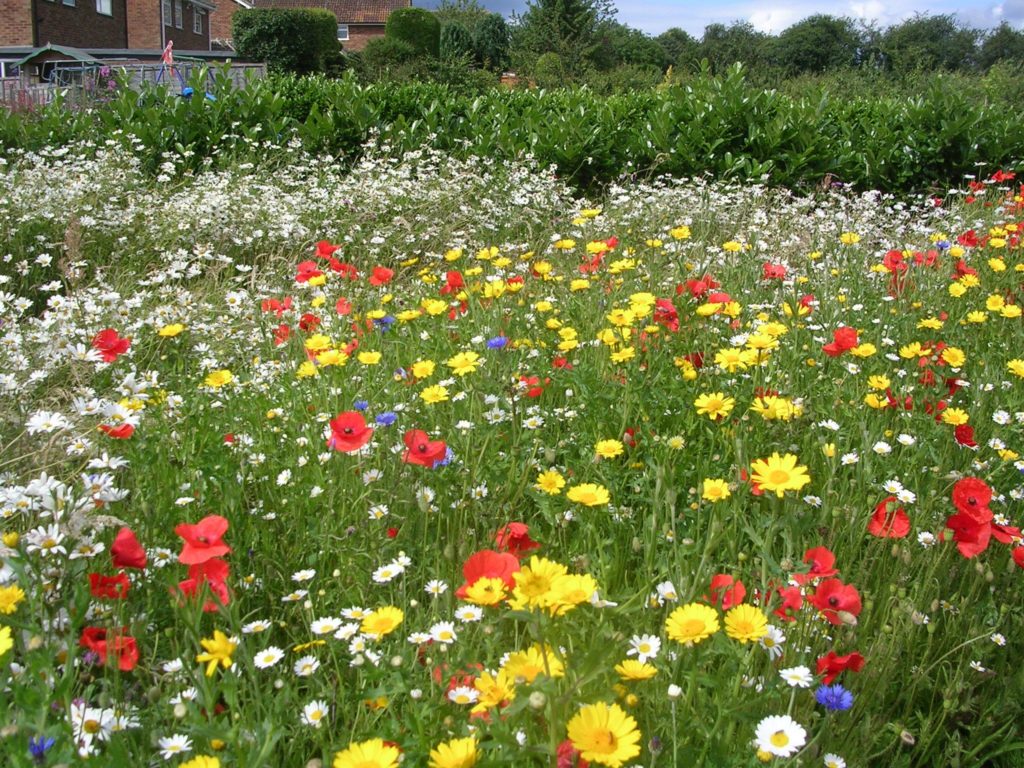
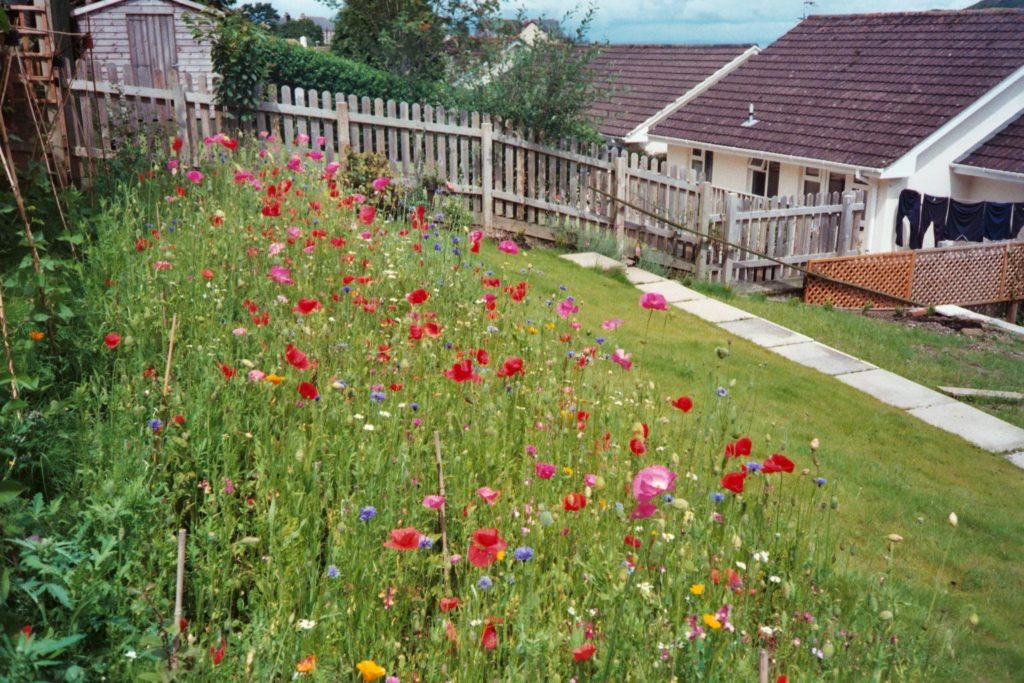
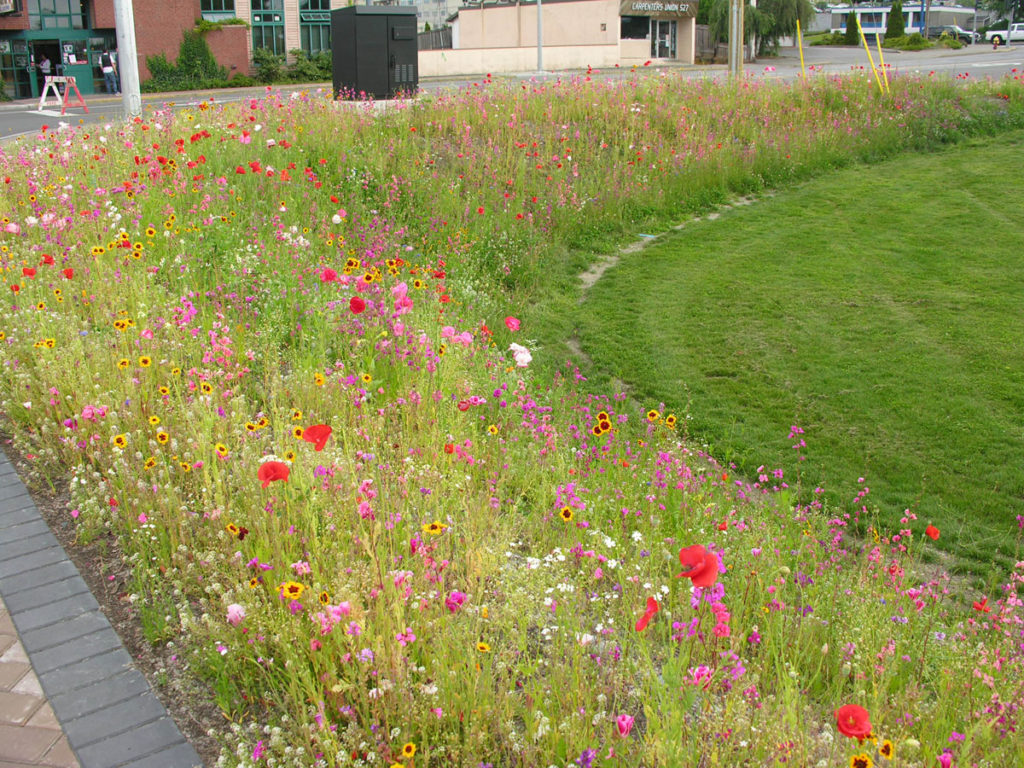
The planting sometimes called a Moorish lawn is better understood as a flowering meadow or meadow lawn. It contains fine grasses and flowering plants, managed with one or a few cuts rather than weekly mowing. It works well in islands, along fences, on broad banks and in parts of a yard where regular foot traffic is unnecessary.
It is not the same as a conventional lawn with a few flowers added. Turf grasses can quickly outcompete wildflowers, while a meadow must be allowed to grow tall and look informal between bloom periods.
Annual display or perennial meadow?
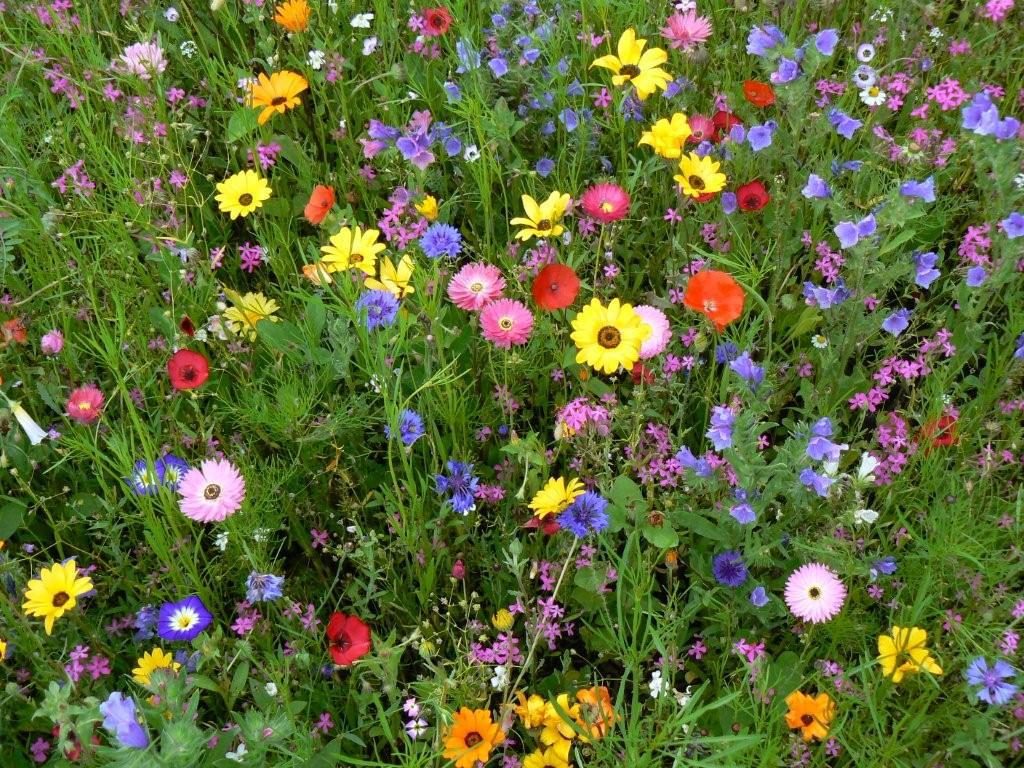
An annual flower mix gives bright color quickly but usually needs soil disturbance and reseeding. A perennial meadow develops more slowly, changes from year to year and may take several seasons to look mature. Some products mix both approaches for first-year color and long-term structure.
Choose based on your expectations and maintenance plan. If you want a short green surface that tolerates play, select conventional turf with our guide to choosing grass seed instead.
Choose regionally appropriate plants
Generic “wildflower” packets may contain species poorly adapted to your rainfall, winter temperatures or soil. Some can also spread beyond the intended area. Prefer a transparent mix from a regional native-plant nursery or seed company, and check local invasive-species guidance before sowing.
Match the mix to sun, soil moisture and height. Avoid combining species solely by flower color. A useful mix provides successive bloom, compatible growth habits and enough grasses or sedges to hold the planting together.
Advantages and tradeoffs
A meadow can offer long seasonal interest, habitat and fewer mowing sessions. Once established, a suitable planting may need less irrigation and fertilizer than high-input turf.
However, it is not ideal for games, frequent walking or very formal settings. First-year weed control can be demanding. Flower pollen may bother sensitive people, and dry stems can look untidy to someone expecting a continuously green lawn. Discuss boundaries and appearance before placing a meadow along a shared property line.
Select and prepare the site
Most flowering mixes need at least six hours of sun. Observe drainage and eliminate perennial weeds before planting. Existing turf must be removed or reliably suppressed; simply scattering flower seed over dense grass rarely works.
Do not enrich the soil automatically. Many meadow species compete best in moderately lean ground, while high fertility encourages aggressive grasses and weeds. Use a soil test to correct genuine problems.
When and how to sow
The best planting time depends on climate and the seed species. Fall or dormant seeding can supply the cold period needed by some native perennials; spring is useful where winter erosion or seed loss is likely. Follow the supplier’s regional directions.
Prepare a clean, firm surface. Divide the seed into two portions and broadcast in perpendicular directions for even coverage. A carrier such as slightly damp sand can make tiny seed easier to distribute. Press seed into contact with the soil, but do not bury small wildflower seed deeply.
Watering and first-year care
Keep the seed zone evenly moist during germination without washing seed away. Reduce watering as seedlings establish, adjusting for the chosen species and weather. Once mature, a regionally suitable meadow should not require the irrigation schedule of a conventional lawn.
Many perennial wildflowers spend their first season building roots. Mow the young planting whenever fast weeds begin to shade seedlings, usually leaving 4–6 inches. Remove clippings if they would smother new plants. Learn to identify the intended seedlings before pulling or spraying anything.
Long-term mowing
Mature meadows are generally cut once or a few times a year. Timing depends on whether your priority is spring bloom, summer color, wildlife cover or seed drop. Leave cut material briefly if seed needs to fall, then remove excess thatch so small plants are not buried.
Use equipment appropriate to the height and stem density. A string trimmer, scythe, brush mower or high-cut mower may be safer than a standard lawn mower. For paths and surrounding turf, follow the regular lawn-mowing guidelines.
Keep the design intentional
Mow a crisp border or path around the meadow, repeat a few strong flower groups and remove invasive weeds promptly. These simple cues distinguish a designed planting from an abandoned patch.
Expect change. Weather and soil favor different plants each year, and occasional overseeding or selective thinning may be needed. A meadow’s appeal comes from that living sequence, not from perfect uniformity.