Both sod and seed can produce an attractive lawn. Sod gives you mature grass almost immediately; seed costs less and offers a wider choice of species. The better option depends on season, slope, budget, site access and how quickly the area must become usable.

Sod and seed at a glance
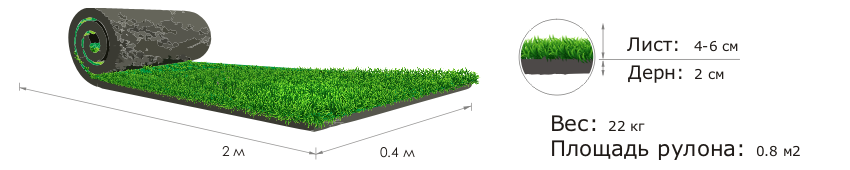
Sod is nursery-grown turf cut with a thin layer of soil and roots. It arrives in rolls or slabs and is placed over prepared soil. Seed is sown directly on the prepared site and develops in place.
- Choose sod when fast coverage, erosion control or a predictable finish matters most.
- Choose seed when budget, cultivar choice and long-term root development matter more than speed.
Cost and labor
Seed is usually far cheaper per square foot. The tradeoff is weeks or months of establishment, careful irrigation and weed control. Sod costs more and is heavy, but a small, accessible lawn can be installed by a prepared DIY team. Large areas, steep grades and complex irrigation often justify professional help.
Compare the complete project rather than material price alone. Include soil preparation, delivery, rental equipment, watering, starter fertilizer only when recommended, and the value of repairs if establishment fails.
Speed and first use
Sod looks finished on installation day, yet it should not be treated as established turf. Roots must knit into the underlying soil. Light foot traffic may be possible after rooting begins, but timing varies with weather and grass type.
Seed germination can begin within days or take several weeks. The stand then needs repeated mowing before it can tolerate normal use. Fast-germinating species are not automatically the best long-term choice; select the grass first, then accept its natural timetable.
Season and weather
Seed has a relatively narrow ideal planting window. Cool-season grasses are commonly seeded in late summer to early fall, while warm-season grasses are established during warm weather. Sod has more flexibility because it arrives mature, but frozen soil, extreme heat and limited irrigation are still poor conditions.
Schedule sod delivery only after preparation is complete. Rolled turf heats and dries quickly, so it should be laid the same day whenever possible.

Slopes and erosion
Sod protects bare soil quickly and is often the stronger choice on moderate slopes. Lay pieces across the slope and secure them when necessary. Seed can wash into low spots during storms unless protected by an appropriate erosion-control blanket.
Neither method fixes drainage. Correct standing water, runoff and grading before installation. A lawn laid over compacted or poorly drained soil will struggle regardless of price.
Grass selection
Seed provides the broadest range of species and cultivars. You can match sun, shade, wear and regional disease pressure precisely. Use our guide to choosing grass seed before comparing products.
Sod suppliers typically offer a few proven regional types. This simplifies shopping but may limit options for deep shade or unusual conditions. Ask for the species and cultivars rather than buying only by labels such as “premium” or “all-purpose.”
How to inspect sod
Good sod has even color, consistent thickness and a dense root mat that holds together when a piece is lifted. Avoid rolls that smell sour, feel unusually hot, have yellow centers or break apart. A few different blade colors can be normal in a mixture; widespread discoloration is not.
Confirm when the sod will be cut, how many square feet each pallet covers and whether pallets carry a refundable deposit. Order a modest allowance for trimming, usually about 5 percent for a simple rectangle and more for curves.

Preparation is the same for both
Remove debris and persistent weeds, relieve compaction, correct the grade and create a smooth, firm seedbed. Test the soil before adding lime or nutrients. The finished soil should sit slightly below walks and edging so the mature turf meets hard surfaces neatly.
For detailed sod steps, see how to prepare soil and lay sod. Seed requires its own careful sowing depth, rolling and light, frequent watering.

Establishment and maintenance
New seed usually needs light irrigation often enough to keep the surface damp without puddling. As roots develop, water less often and more deeply. Sod needs thorough watering immediately, followed by moisture checks under the rolls. Reduce frequency after it resists a gentle lift.
Begin mowing when the grass is rooted and reaches about one-third above the target height. Use a sharp blade and never remove more than one-third of the leaf at once. The same principle applies to seeded turf; our lawn-mowing guide covers the details.

Which should you choose?
Choose sod for immediate coverage, a short establishment window, erosion-prone ground or a high-visibility project. Choose seed for lower cost, maximum variety and a site where you can protect young grass. If neither can thrive because of dense shade, drainage or heavy traffic, solve that limitation before investing in turf.