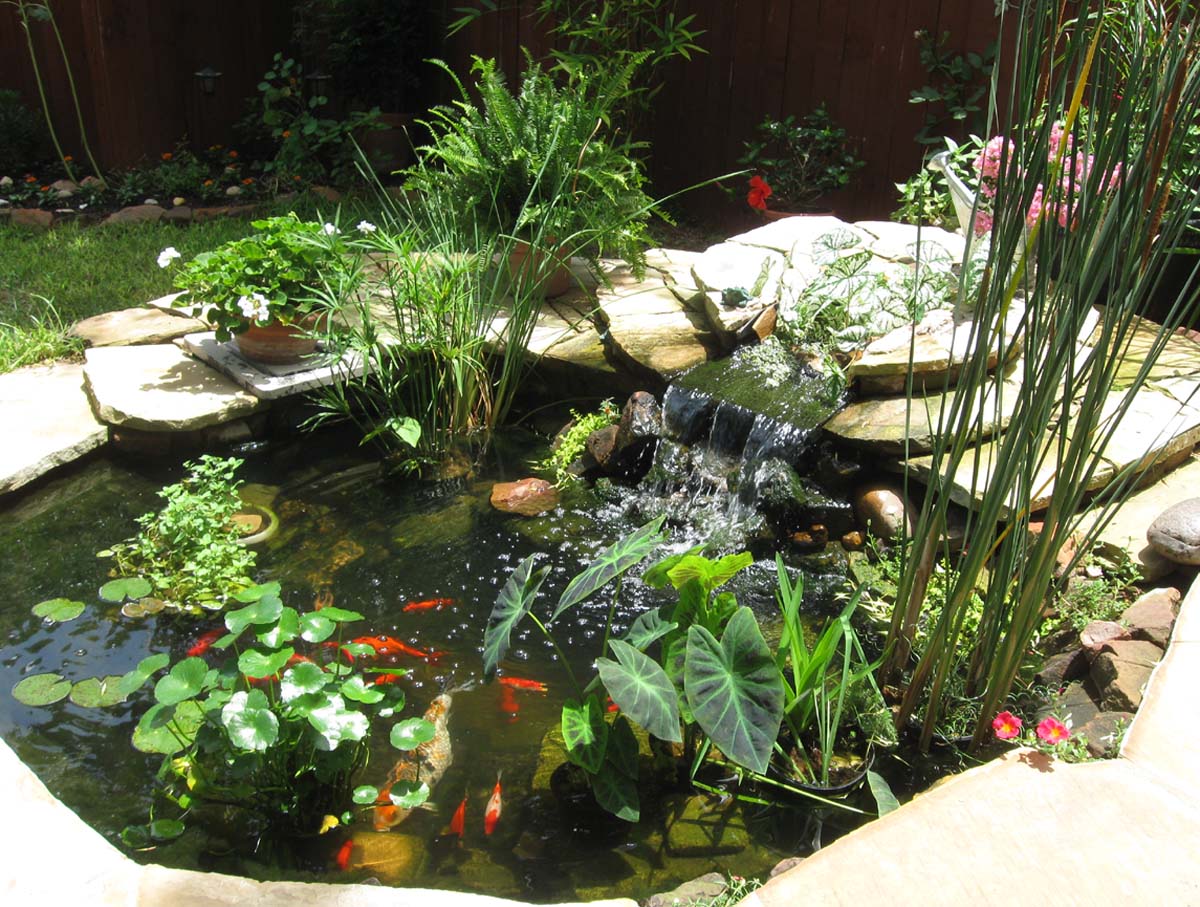
The best plants for a garden pond do more than decorate the water. They shade the surface, soften hard edges, provide cover for wildlife and compete for some of the nutrients that would otherwise support algae. The key is to match every plant to a specific zone: deep water, open surface, submerged water, shallow shelves or damp soil beside the pond.
A successful planting plan begins with the pond’s dimensions, climate and purpose. A wildlife pond needs a different balance from a formal pool or koi pond, and a compact preformed basin can be overwhelmed by species that behave well in a large lake.

Map the Pond into Planting Zones
Measure the depth from the crown of the plant or top of its basket to the normal water level. Nursery labels may use either this planting depth or the total pond depth, so confirm which measurement is intended. Built-in shelves make zoning easier, but bricks or purpose-made stands can raise baskets temporarily while new plants establish.
- Deep-water plants root in baskets or the pond floor while their leaves float on the surface.
- Floating plants drift on the surface without rooting in the pond floor.
- Submerged plants grow mainly beneath the surface and provide underwater structure.
- Marginal plants root in shallow water or saturated soil at the edge.
- Bog and moisture-loving plants grow beside the pond in damp soil but may not tolerate permanent submersion.
Do not assume that a plant described as “pondside” can stand in water. Likewise, a marginal plant that accepts 2 inches of water may rot at 12 inches. Match the label to the actual shelf depth and your winter hardiness zone.
How Much of the Surface Should Plants Cover?
A useful long-term target for many ornamental ponds is foliage over roughly half the surface during the growing season, while retaining open water. Shade can moderate summer heating and suppress some algae, but total coverage restricts views and may interfere with gas exchange. Start with fewer plants than the mature plan requires and thin vigorous growth before it dominates the pond.
Plants produce oxygen during daylight but also respire, and dense growth can contribute to low oxygen at night. Plants are therefore not a substitute for appropriate circulation, filtration or aeration in a stocked fish pond.
Waterlilies for Deep Water
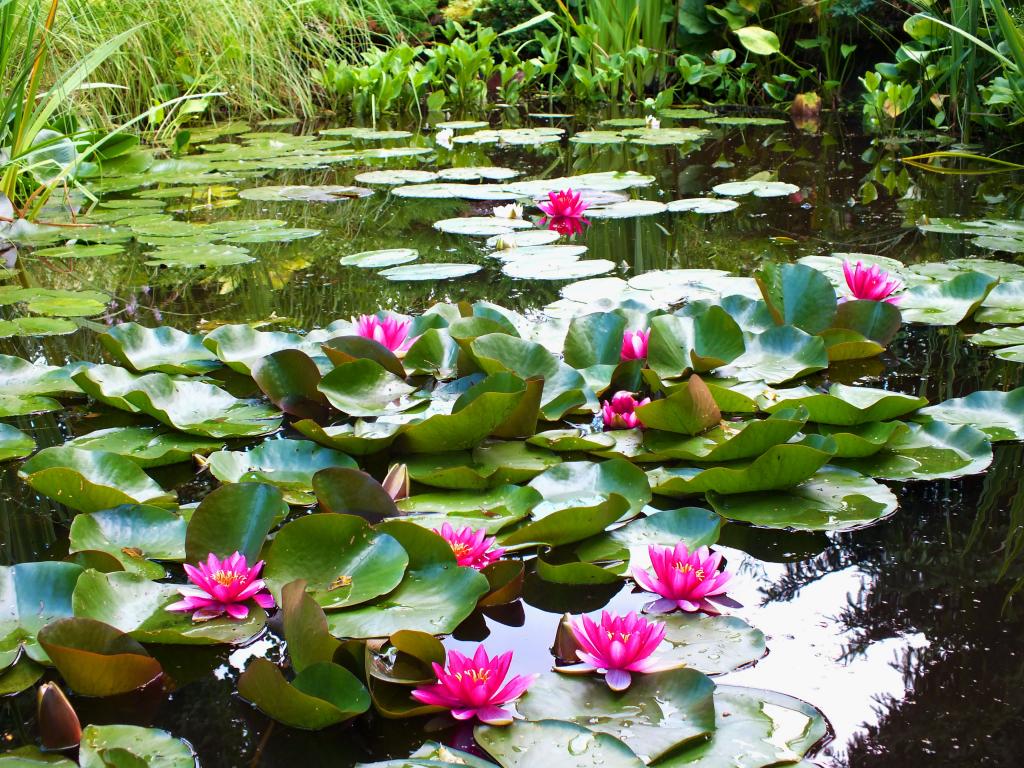
Waterlilies (Nymphaea) are the classic deep-water pond plants. Their floating leaves create shade and their flowers provide a strong focal point. Cultivars range from miniature forms for tubs and shallow basins to vigorous plants needing broad, deep ponds.
Choose a cultivar by its mature spread, recommended depth and hardiness. Newly planted baskets may be raised so the first leaves reach the surface, then lowered gradually as stems lengthen. Hardy and tropical waterlilies have different winter requirements; check the cultivar rather than relying on the flower color.
Submerged and Oxygenating Plants
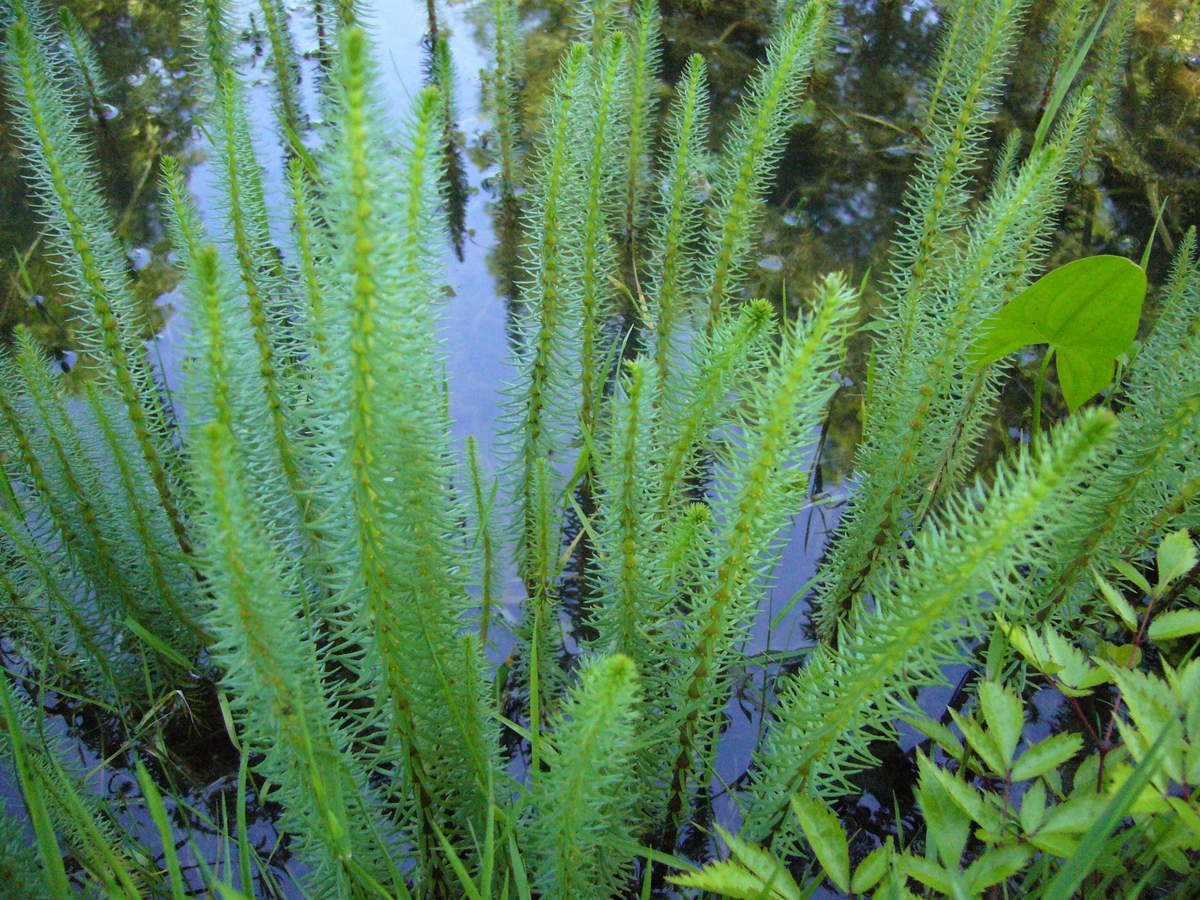
Submerged plants provide cover for aquatic insects and other pond life. Common choices include hornwort (Ceratophyllum demersum), water starwort (Callitriche species), water violet (Hottonia palustris) and suitable native pondweeds. Availability and legal status vary by region.
The term “oxygenator” can be misleading: these plants release oxygen during photosynthesis but consume it during darkness and decomposition. Introduce them in moderation and remove excess growth before it dies back. Never release unwanted pond plants into natural water.
Floating Plants
True floating plants sit on the surface without a basket. They are easy to add and remove, but some multiply extremely quickly in warm water. Choose species legal and appropriate in your region; several popular aquarium and water-garden plants are invasive outside their native range.
Frogbit may be suitable in some cool-climate ponds, while tropical floaters are often treated as annuals. Thin floating plants whenever they begin to close the open-water area or collect against a skimmer.
Marginal Plants for Shallow Shelves
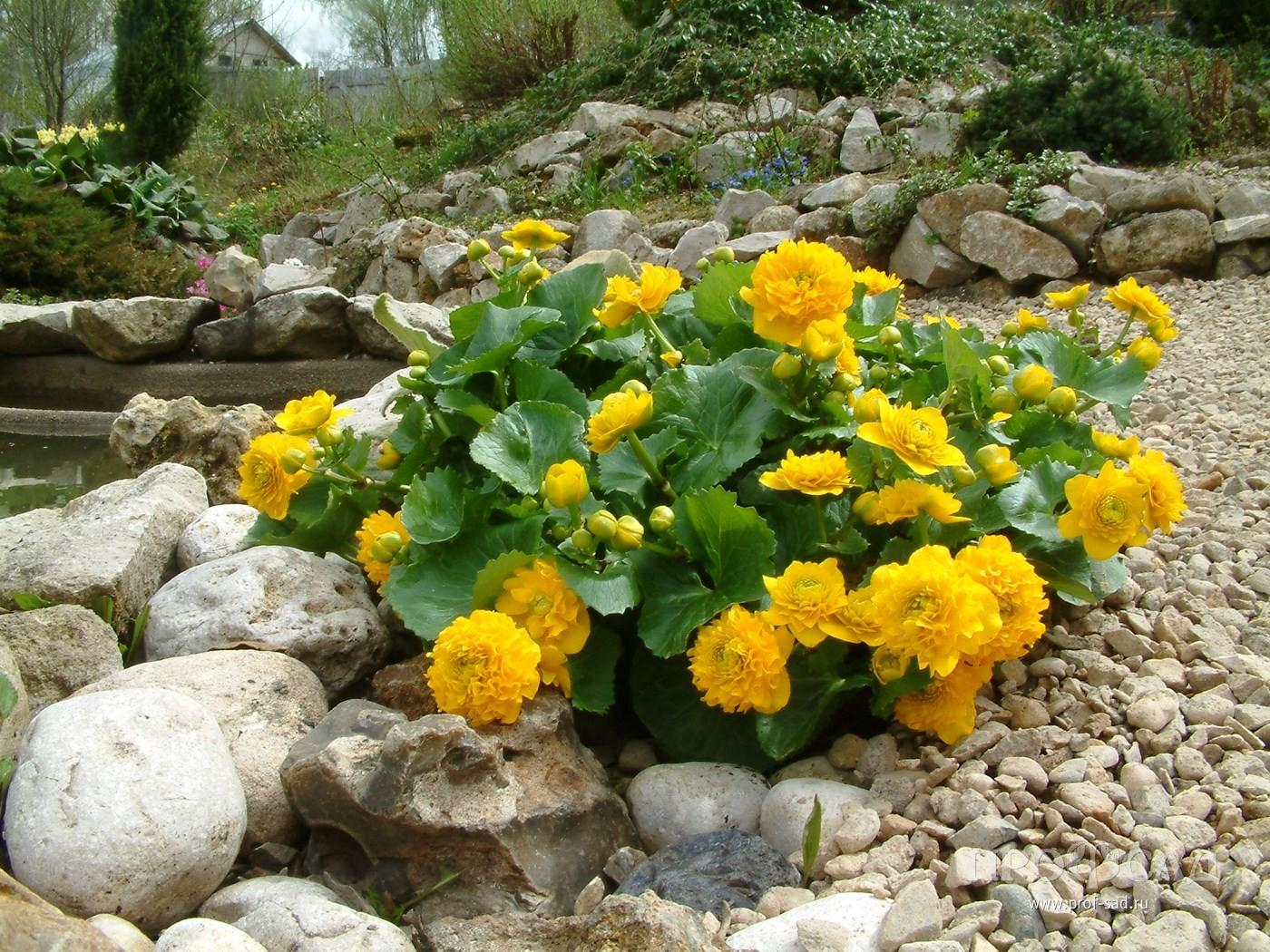
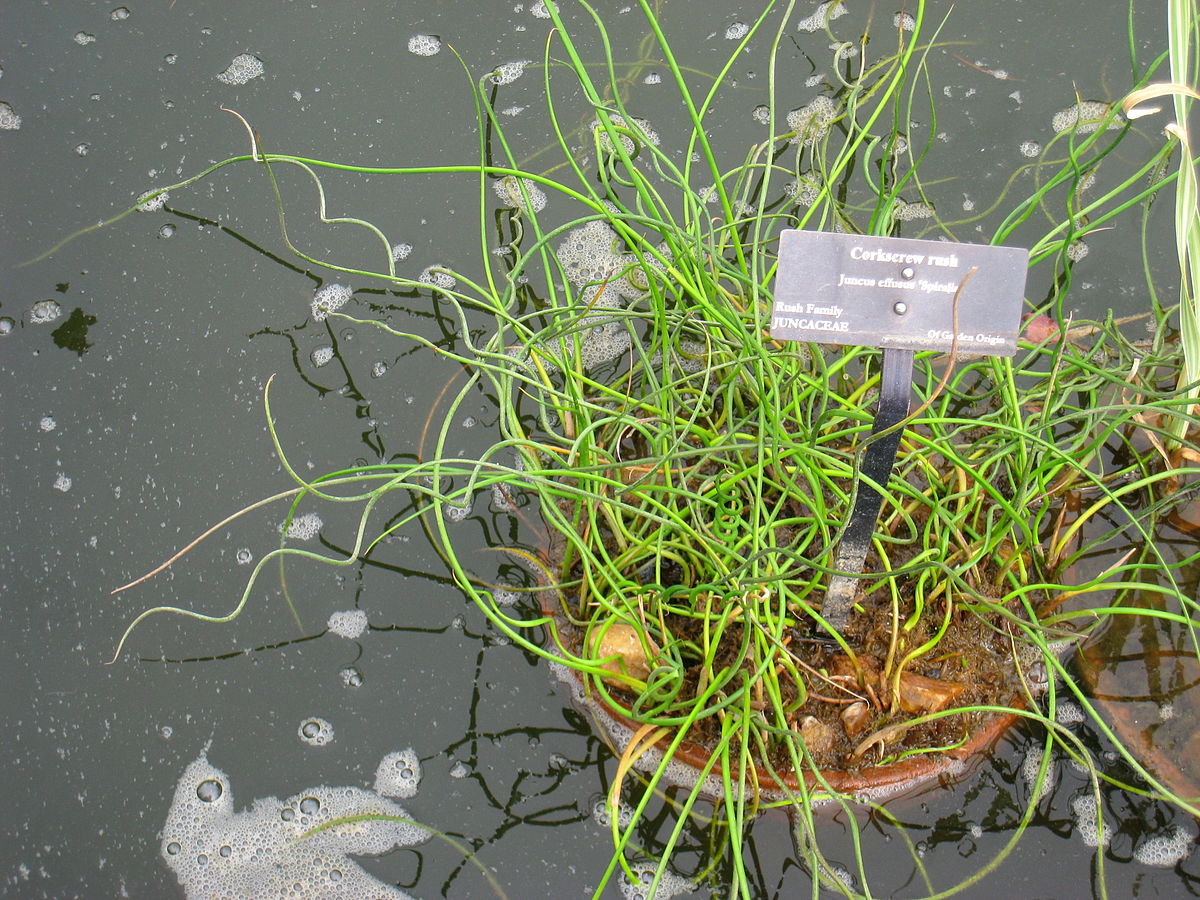
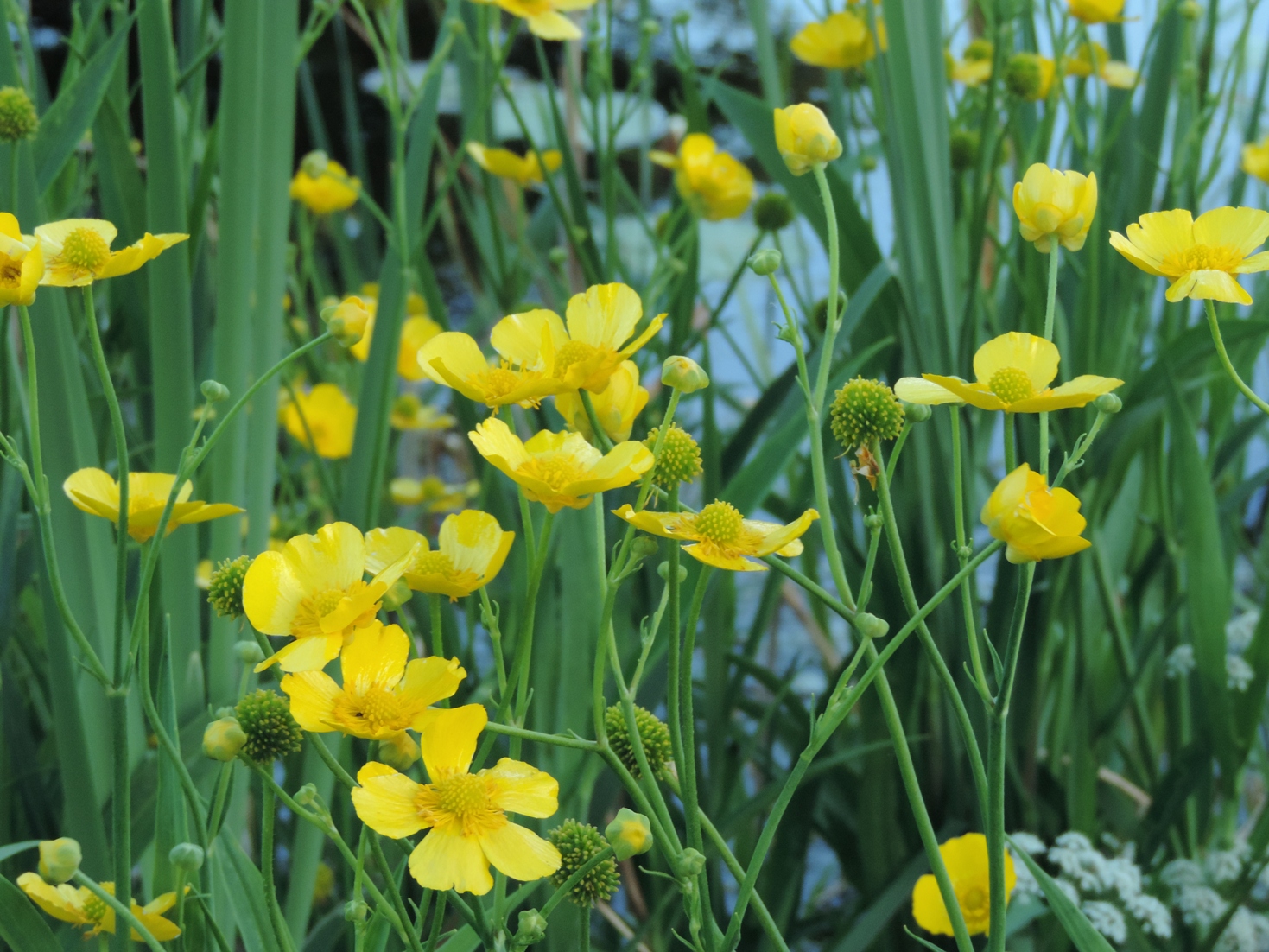
Marginals hide the constructed edge and create a transition from water to garden. Compact species for shallow shelves include marsh marigold (Caltha palustris), water forget-me-not (Myosotis scorpioides), brooklime (Veronica beccabunga) and smaller rushes or sedges. Flowering rush, arrowhead and bog bean suit somewhat deeper shelves where climate and local regulations allow.
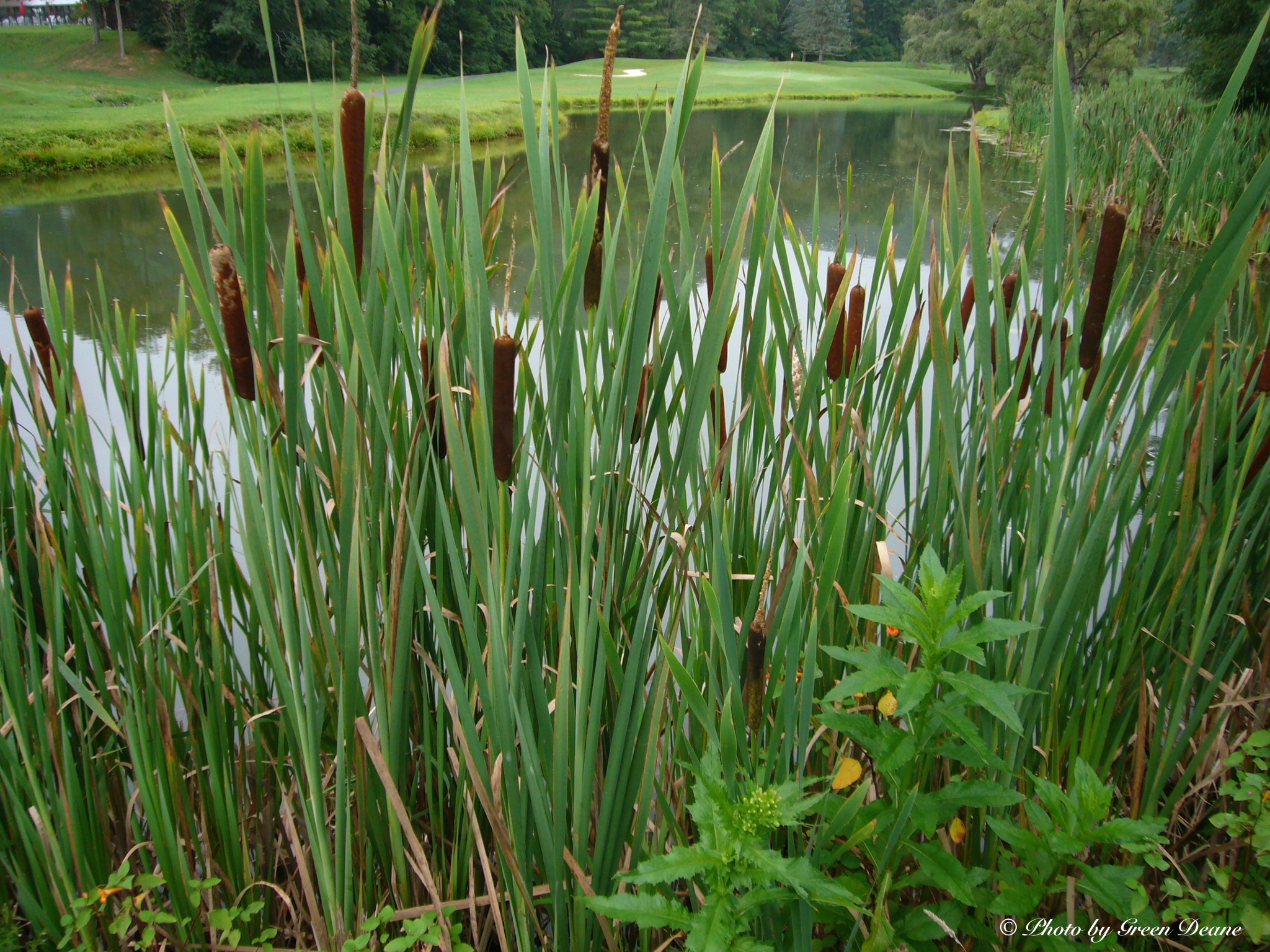
Cattails (Typha), common reeds and large rushes are visually convincing but often too aggressive for a small garden pond. If used at all, choose a compact species and confine it in a sturdy basket. Check local invasive-species guidance before purchase.
Plants for Damp Soil beside the Pond
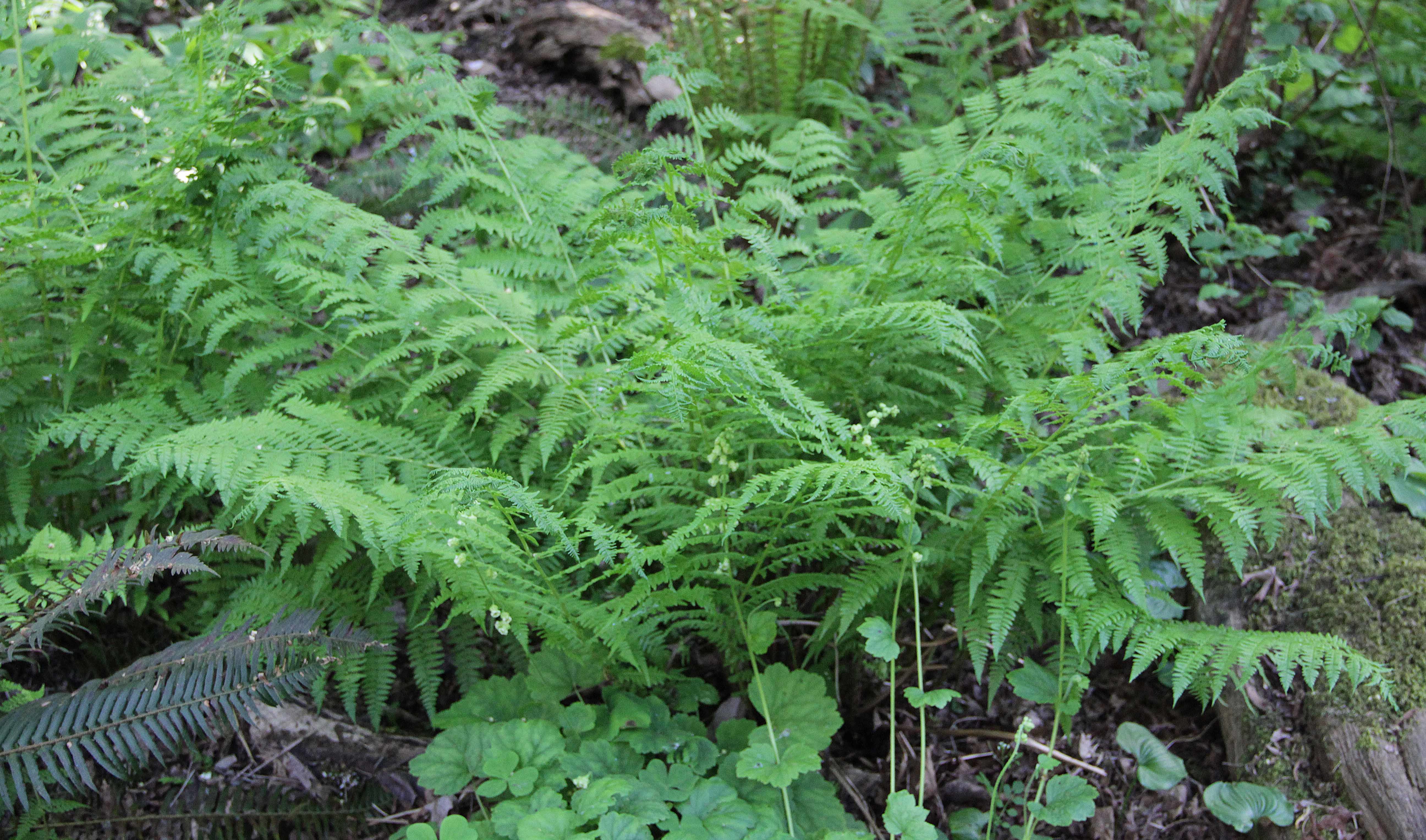
The ground outside the liner can support a broader range of moisture-loving perennials. Astilbes, ligularias, hostas, Siberian iris, ferns and selected sedges can connect the pond with surrounding beds. Choose by light, soil drainage and hardiness: damp-soil plants still vary greatly in their tolerance of standing water.
In shade, ferns make an effective low-maintenance background. Lady fern (Athyrium filix-femina), male fern (Dryopteris filix-mas) and shuttlecock fern (Matteuccia struthiopteris) are possibilities where locally appropriate, though the latter can spread strongly.
Small shrubs and specimen trees can frame the scene, but set them far enough back that roots, shade and leaf fall remain manageable. Weeping forms look attractive near water, yet a mature tree planted at the liner edge creates years of maintenance. Preserve an open view and service route rather than enclosing every side with vegetation.
Use Aquatic Baskets to Control Growth
Planting baskets make it easier to place, divide and overwinter aquatic plants. Use a basket sized for the mature root system and a peat-free aquatic planting medium. Ordinary potting mix is too light and nutrient-rich; it can float away and feed algae.
Set crowns and rhizomes at the depth recommended for the species. A thin layer of washed grit helps keep the medium in place, especially where fish investigate the basket. Lower newly planted baskets gently so trapped air escapes and the water does not wash out the soil.
Containers control many plants but do not make every aggressive species safe. Runners, seeds and floating fragments can escape the basket. Inspect vigorous plants through the growing season and remove flower heads or wandering growth before it spreads.
Choose Native Plants and Avoid Invasive Species
Native pond plants often provide excellent habitat, but “native” is location-specific. Use regional nursery or extension guidance and buy correctly identified plants from a responsible source. Never collect from the wild without permission.
Check official invasive-species lists before buying or sharing aquatic plants. Names used in garden centers can be inconsistent, so verify the botanical name. Bag unwanted invasive material for disposal as local rules require; never compost it beside a stream or release it into a lake.
Planting for Fish and Wildlife
Wildlife benefits from a mix of submerged cover, emergent stems, open water and a gently sloped exit. Avoid covering every shelf with tightly packed baskets. Keep access to the pump and ensure animals cannot become trapped behind netting or steep smooth walls.
Fish may uproot plants, stir soil and eat tender growth. Koi in particular can be hard on planted ponds, so protect baskets and select robust species. Any pesticide, fertilizer or algae treatment used near the pond must be explicitly suitable for the animals and plants present.
Seasonal Maintenance
Remove yellow leaves and spent flowers before they decompose. Divide crowded baskets, thin floating plants and keep fast growers from blocking the skimmer. In autumn, identify which plants can remain at depth, which need lowering and which tropical species must be removed. Our pond winterization guide covers the equipment and water-quality side of the process.
When creating a new pond, build shelf depths around the plants you actually intend to grow. A preformed pond offers fixed shelves, while a flexible liner allows custom zones. In either case, leave enough open water that the planting frames the pond instead of hiding it.
Original Russian article by Marina Lukyanova; English edition revised and expanded.