Astilbe is one of the most forgiving perennials in my garden. Its fernlike foliage stays attractive for months, and the feathery flower plumes brighten places where many sun-loving plants struggle. Even an easy plant, however, eventually outgrows its space. When an established clump becomes crowded, flowers less freely or pushes into a path, division gives it a fresh start and produces several new plants at the same time.

How to tell when astilbe needs dividing
Astilbe can remain in one place for several years, but a mature crown gradually expands outward. Division is worthwhile when the center becomes woody or sparse, the clump produces fewer flower plumes, roots rise above the soil, or the plant simply takes more room than you want to give it. In my border, the clearest sign was practical: new shoots had begun to grow across the edge of the path.
You do not need to divide a healthy, well-behaved plant according to a rigid calendar. Check it each spring. A vigorous clump may need attention after three to five years, while one growing slowly in a cool, moist bed can wait longer.
The best time to divide astilbe
Early spring, just as the shoots emerge, is usually the easiest time. Cool soil and regular spring rain help the divisions establish before summer heat arrives. You can also divide astilbe in early fall, ideally at least four to six weeks before the ground freezes. Avoid moving it while it is flowering or during hot, dry weather unless the plant is in danger and you can water it consistently.
Choose the new planting sites first
Prepare the destination before lifting the parent plant, so the roots spend as little time as possible exposed to air. Astilbe performs best in moisture-retentive soil enriched with compost. Light or dappled shade is ideal in warm regions. In cooler gardens it can take more sun, but afternoon shade reduces stress and keeps the flower color from fading too quickly.
Good drainage still matters: the soil should stay evenly moist, not waterlogged. Dig each hole wide enough to spread the roots naturally and leave about 18 to 24 inches (45–60 cm) between medium-sized varieties. Compact cultivars can be closer and very large ones may need more space.
How to divide the whole clump
- Water the plant the day before if the ground is dry.
- Cut back old stems and damaged leaves so you can see the crown.
- Dig a circle around the clump with a garden fork or spade, keeping as much of the root system as practical.
- Lift the crown and shake or wash away enough soil to reveal its natural sections.
- Pull the clump apart by hand or cut it with a clean, sharp knife or spade. Keep several healthy buds and a good portion of roots on every division.
- Discard dead, soft or badly damaged material from the old center.
- Replant promptly, setting the crown at approximately the same depth as before. Firm the soil gently and water thoroughly.
A shortcut for a very large plant
Lifting an enormous astilbe can be awkward. When the central section is still healthy, I sometimes leave it in place and remove several wedges from around the outside with a sharp spade. Each wedge needs visible shoots or buds and a useful mass of roots. I then refill the gaps around the parent clump with compost-rich soil and water it well.
This shortcut is less precise than lifting and inspecting the entire crown, so it is not the best option when the center has died out or the plant has a disease problem. For a healthy specimen that has merely spread too far, however, it can be a perfectly practical way to rejuvenate the edge and obtain new plants.

Aftercare for astilbe divisions
Water deeply after planting and keep the soil consistently moist while new roots develop. A two-inch layer of leaf mold, compost or fine bark helps conserve moisture, but keep mulch away from the emerging crown. Shade the plants temporarily if an unexpected hot spell follows division.
New divisions do not need heavy feeding. Compost at planting time is usually sufficient; if your soil is poor, use a balanced slow-release fertilizer according to its label. The main priority is water. Astilbe can survive a short dry period, but repeated wilting often scorches the leaf edges and reduces flowering.
Will divided astilbe flower the same year?
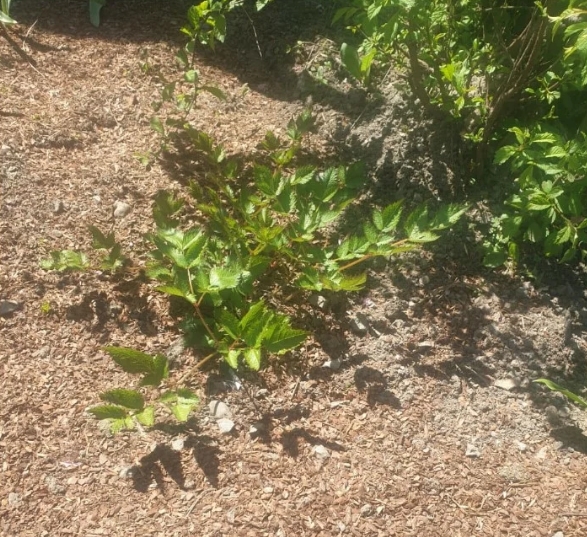
A large spring division may produce a few flowers in its first season, but a small piece often spends the year rebuilding roots. That is normal. Reliable moisture and a suitable site matter more than forcing immediate bloom. By the following season, a well-established division should form a fuller clump.
Astilbe pairs especially well with foliage plants that enjoy similar conditions. The colorful leaves described in our heucherella planting and care guide provide contrast before and after astilbe blooms. If you need a perennial for a sunnier, drier bed, see the guide to planting and dividing daylilies.
Quick answers
Can astilbe be divided without digging up the whole plant? Yes. Healthy wedges can be cut from the outer edge, provided each piece has buds and roots. Lift the entire clump if the center is weak or you need to renovate it thoroughly.
How often should astilbe be divided? Divide by condition rather than by date. Many clumps need it every three to five years, but slower-growing plants may remain attractive much longer.
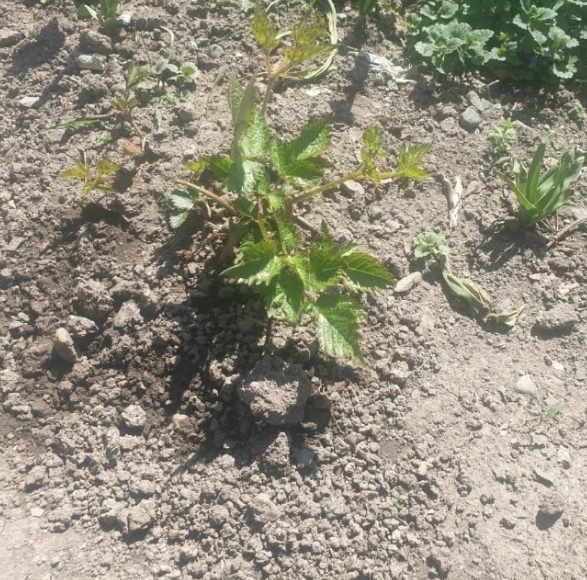
Why is my divided astilbe wilting? Transplant shock, sun and dry soil are the usual causes. Water deeply, add light mulch and provide temporary shade while the roots recover.